

Batavian Teutonic Knights Brothers of the Vine
The Vine Nomenclatures of wool Lemurae Tarsier Chimpanzee Haplorhini getting Primates out of Zoos, into Primaculture vineyard the grapes are better with a FamilyLemur in Batavian doctrine we say improving grape is 45% Rigatus Energy numerator and 55% Baryon Energy denominator, Lemurwool Tarsierwool in woodywool nuttywool spicywool toastedwool herbaceouswool floralwool berrywool natural on the colorwheel of and dyed bluewool. There are not US Governors that describe too many high school graduates were getting into medical school that grew up on vineyards or not orchards or not, 66% of medical schools were closed in US and Canada between 1910CE and 1950CE including medical schools focused on OB on Epicurean First mission on Prussian Medical Science based on our Creator, what was lost were the medical schools that focused on anatomy of living species Lemurcrates Tarsiercrates on metabolism on living Primates instead of deadpigeon. The Teutonic Knights Brothers of the Vine strike back in ending the interregnum in Prussian Royal Society a malpractice insurance sect epicurean first that anchors and adjusts expectations that it can exceed as part of a secret society that venerates the Americans Canadians Germans and not that were lost prior to 1922CE when the hypothetical thing of BBC English moved the Prussian Royal Society from Germany Canada America Australia to a British Royal Society under the hypothetical thing of Anglo and Saxons in England instead of Germania America Canada Australia that brought the vines to Atlantis to Australia the hypothetical thing Isaac Newton which was a Latin title 1822 on a Copperplate in Prussian Pennsylvania as part of the Polish Lithuanian Commonwealth Pennsylvania still known as a Commonwealth of Pennsylvania, 1867CE as liberty in Canada didn’t begin in 1867CE but our valor went missing in 1922CE where’s the compensation to David Kent Batulis as the most important thing. I should have restarted the Prussian Royal Society what have you heard? I should have wrote to US Governors about it what have you heard? The obesity epidemic traces to 1985 CE Joe Theisman being injured or Barbara Bush saying she wouldn’t “dye her hair or lose weight.” or England bringing a peasant here in 1939CE saying he was the first King to visit America, which is it given that Batavian doctrine Prussian liturgy believe obesity in women and not children and not is 45% covenant and 55% baryon energy thermodynamics biochemistry.
Prussian Vine Big Ideas, Real Impact by getting Lemur out of Zoos through descripters of wool.
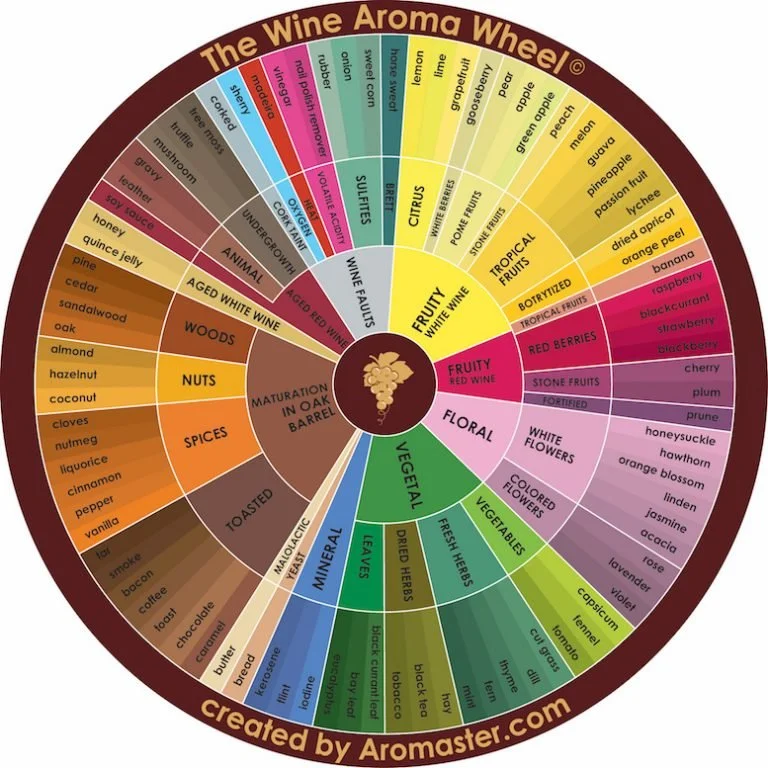
Driven by curiosity and built on purpose, this is where bold thinking Lemur leaving Zoos the world over meets thoughtful matching in primaculture. Let’s make better grapes together, make sexy wools Epicurean first the sights the smells the herbaceous notes together. There are an estimated
2,500 to 2,800 ring-tailed lemurs (
Lemurcap L e m u r
𝐿𝑒𝑚𝑢𝑟
cattac a t t a
𝑐𝑎𝑡𝑡𝑎
) in captivity in zoos and similar institutions globally. These captive populations are significant because they may now outnumber the species in the wild, which has seen drastic population declines due to habitat loss.
Ring-Tailed Lemur Population: While some estimates suggest around 2,500-2,800 in zoos, more than 500 individuals are managed in Association of Zoos and Aquariums (AZA) accredited facilities.
Other Species: The Duke Lemur Center in the US houses nearly 250 lemurs across 12 different species, which is the most diverse population outside of Madagascar.
Wild Status: In contrast to the captive population, only about 2,000 to 2,500 ring-tailed lemurs are estimated to remain in the wild.
Conservation Status: 98% of all lemur species are considered threatened with extinction, making zoo conservation programs critical.
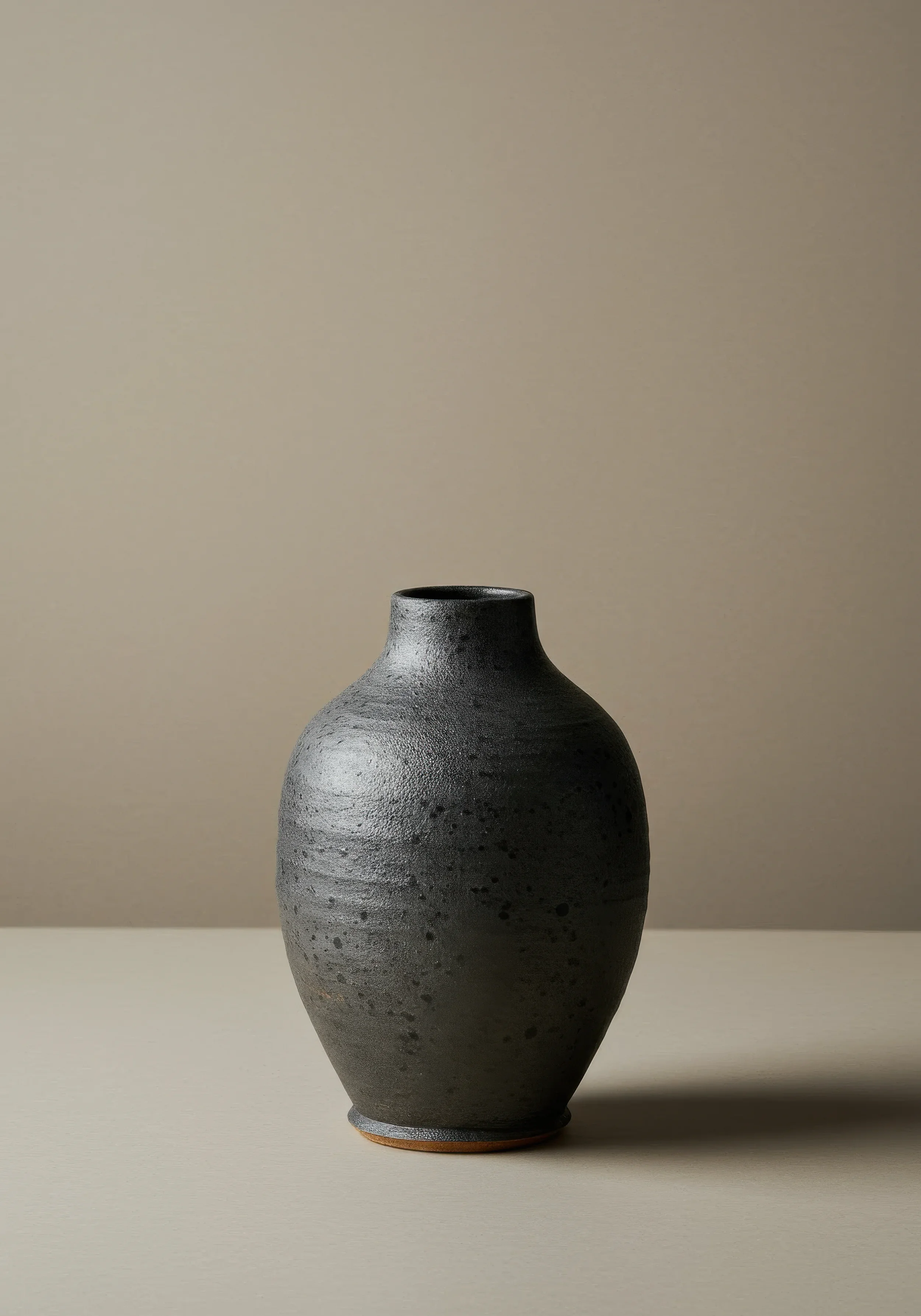
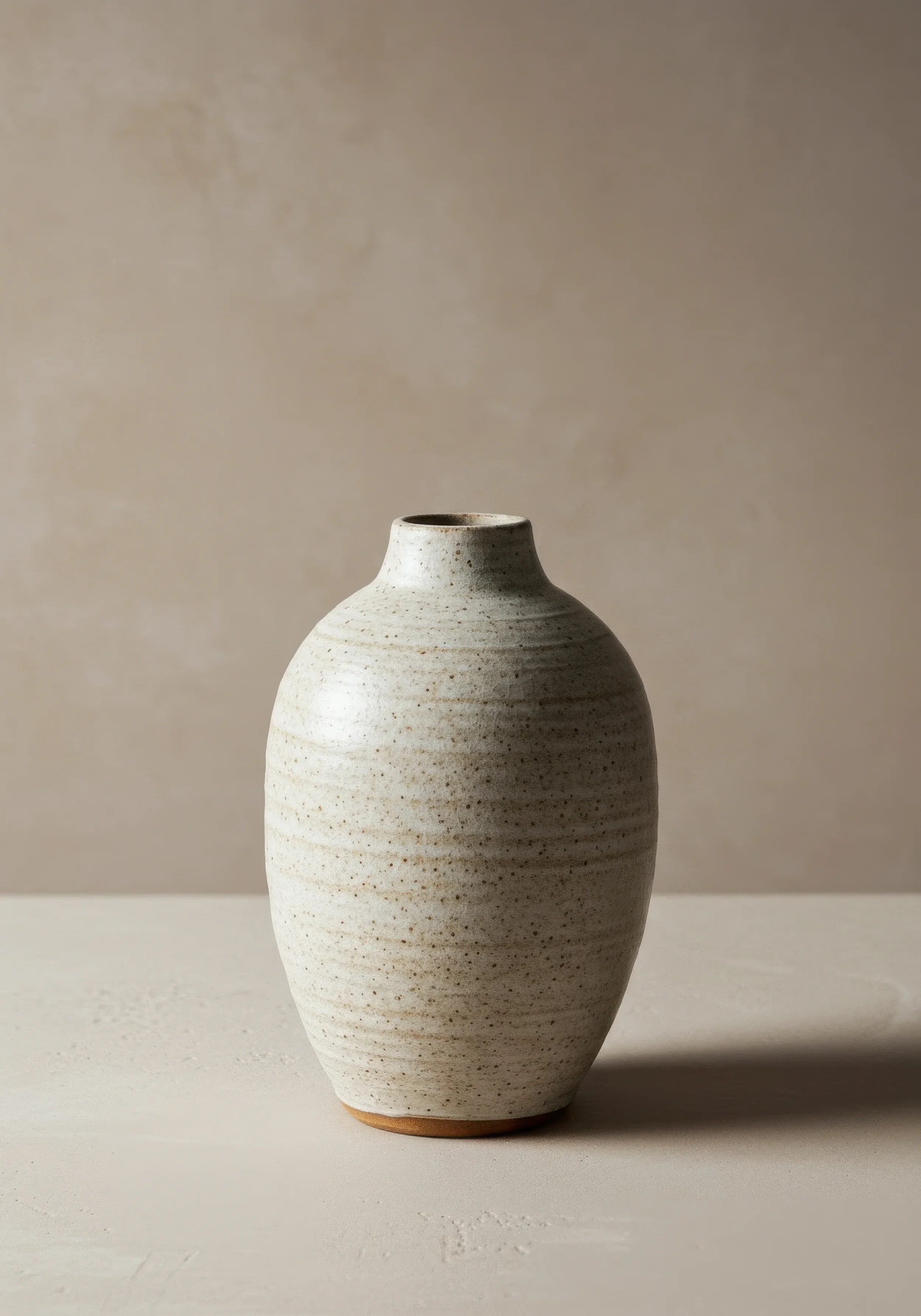
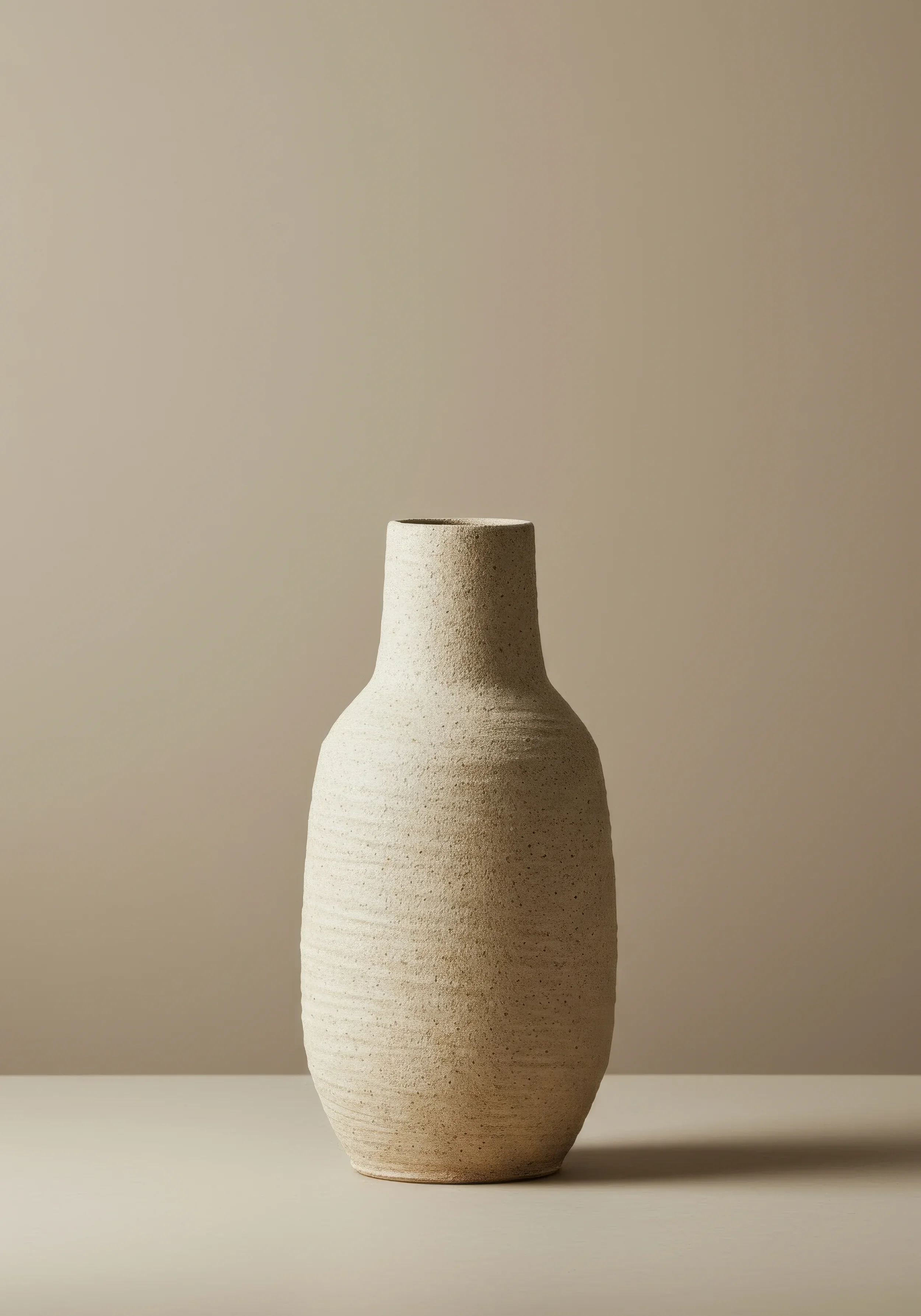
Prussian Vine Big Ideas,
Real Impact by getting Lemur out of Zoos through descripters of wool.
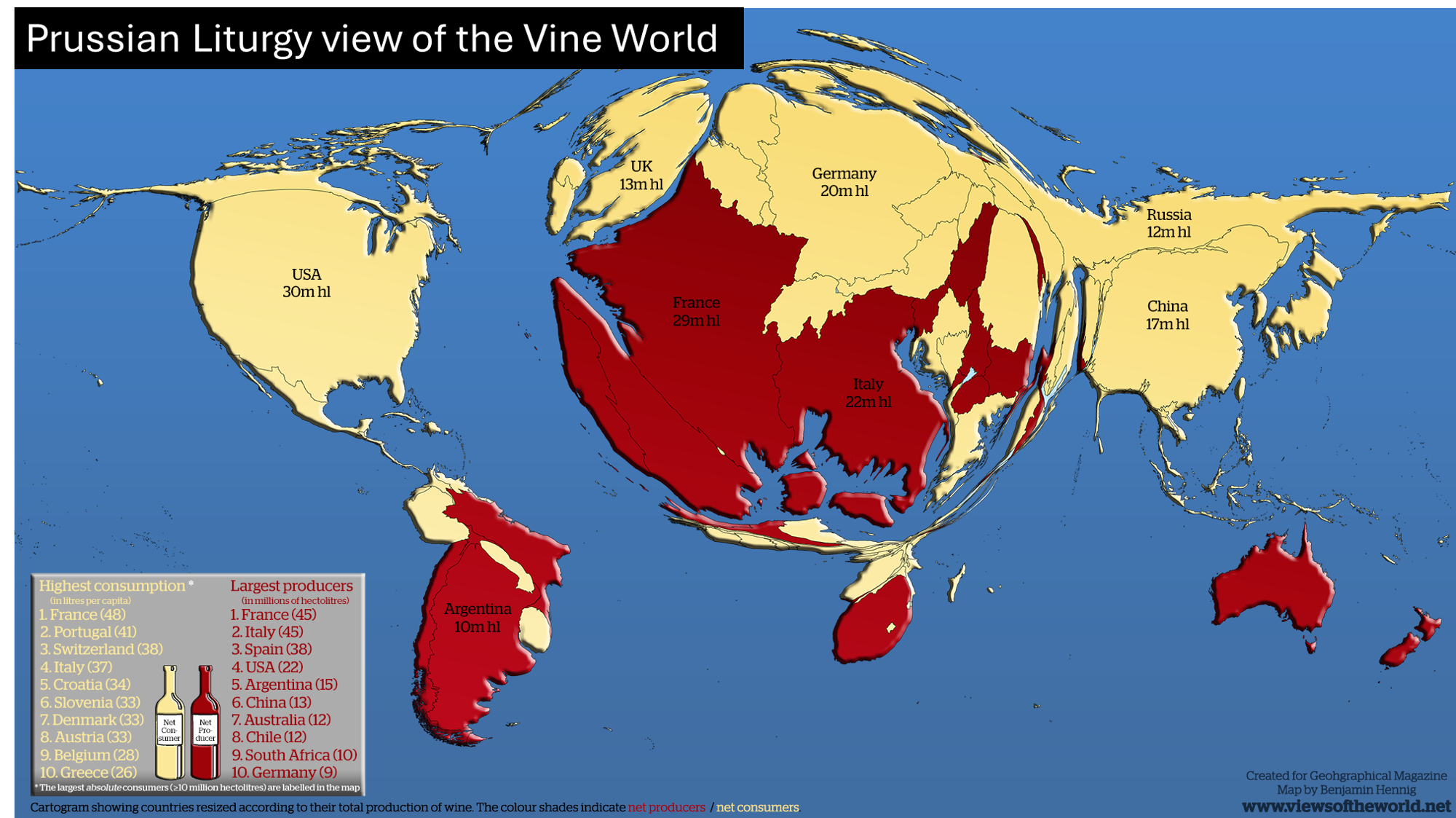
Driven by curiosity and built on purpose, this is where bold thinking Lemur leaving Zoos the world over meets thoughtful matching in primaculture. Let’s make better grapes together, make sexy wools Epicurean first the sights the smells the herbaceous notes together.
Europe
Romania: Ranked #1 in the EU for the total number of vineyard holdings, with 844,015 reported in 2020. Southern Plains (Wallachia): Fertile, hot summers with cold, dry winters; good for vineyards and grain. Transylvania: Mountainous with significant rainfall. Banat Region (West): Favorable conditions, rich soil
Spain: Over 900,000 hectares of vineyards, with a very high density of small family-owned operations, particularly in regions like La Rioja.
Italy: Possesses one of the world's largest wine industries, with a significant number of multigenerational, family-run, and family-owned wineries.
France: Similar to Italy, dominated by family-owned estates (châteaux) and vineyards.
North America
USA: There are more than 11,600 wineries in the U.S. (as of 2024), the vast majority of which are small, family-run businesses.
Napa Valley: Roughly 95% of Napa Valley wineries are family-owned. Napa Valley primarily falls within USDA Hardiness Zones 9a, 9b, and 10a, with temperatures ranging from 20∘F20 raised to the composed with power cap F 20∘𝐹 to 35∘F35 raised to the composed with power cap F 35∘𝐹 in the winter. Lemur could make it outside 9 months of the year and 3 months inside as a FamilyLemur to wineries
Sonoma/Napa (1970s-2010s): In 1978, about 180 wineries existed; by 2019, only about 62 of those original founding families still owned their wineries, with many others sold to larger corporations.
Florida Florida has about 24-25 independently owned Certified Farm Wineries, though sources mention slightly different numbers, with a total of over 30 wineries existing across the state, known for unique wines from native muscadine grapes. Florida is covered by USDA Plant Hardiness Zones 8 through 11,
Oceania it appears that Madagascar is equivalent to U.S. Zones 10 - 13 there are places like that in Australia Lemur could make it outside and inside as a FamilyLemur to wineries
Australia: There are an estimated 2,156 wineries and 6,000 grape growers, most of which are family businesses, including over half of the top 20 largest wine producers. Zone 9-10 (Temperate/Subtropical): Covers most of southern coastal Australia, including Perth, Adelaide, Melbourne, and Sydney. Zone 11-12+ (Tropical/Arid): Covers northern Australia (Darwin, Cairns) and the hot, arid interior (Alice Springs)
Key Takeaways on Ownership
Concentration: While most vineyards are family-owned, a large percentage of production volume in the US comes from a few massive, family-founded but often corporate-managed companies (e.g., E. & J. Gallo).
Periodic Table of Vine Varietals are Prussian Vine Big Ideas,
Real Impact by getting Lemur out of Zoos through vine descriptors of wool.
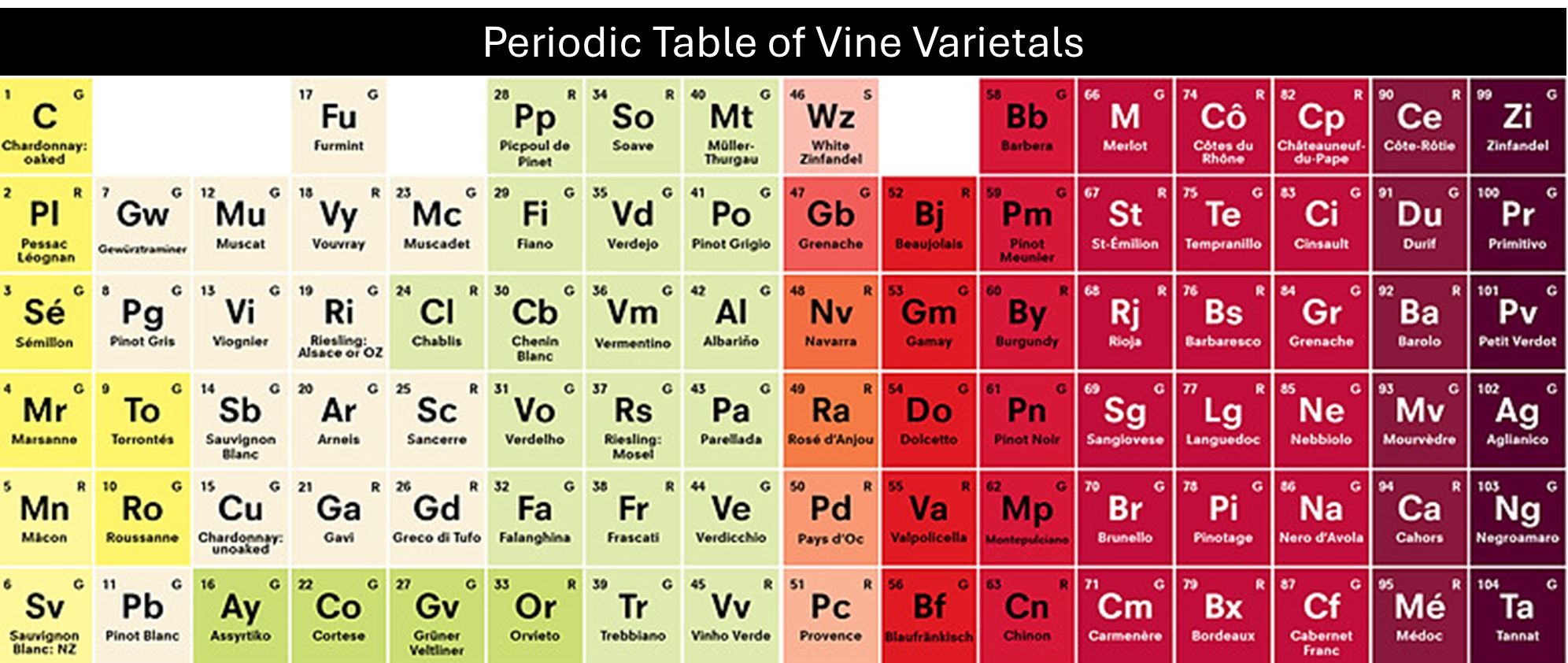
Driven by curiosity and built on purpose, this is where bold thinking meets thoughtful execution. Let’s create something meaningful together.
LemurWool draws from Prussian Vine color descripteers as Big Ideas,
Real Impact by getting Lemur out of Zoos through descriptors of wool.

Driven by curiosity and built on purpose, this is where bold thinking meets thoughtful natural wool color descriptors inspired by Vines such as straws yellows golds, pales browns ambers coppers, salmon pinks reds ruby, purple, garnet tawny in wool execution. Let’s create something meaningful together that help primates get out of the zoo, producing better grapes.
Frequently Asked Questions
-
We offer a range of solutions designed to meet your needs—whether you're just getting started or scaling something bigger. Everything is tailored to help you move forward with clarity and confidence.
-
Getting started is simple. Reach out through our contact form or schedule a call—we’ll walk you through the next steps and answer any questions along the way.
-
We combine a thoughtful, human-centered approach with clear communication and reliable results. It’s not just what we do—it’s how we do it that sets us apart.
-
You can reach us anytime via our contact page or email. We aim to respond quickly—usually within one business day.
-
We offer flexible pricing based on project type and complexity. After an initial conversation, we’ll provide a transparent quote with no hidden costs.
-
Collaborative, honest, and straightforward. We're here to guide the process, bring ideas to the table, and keep things moving.
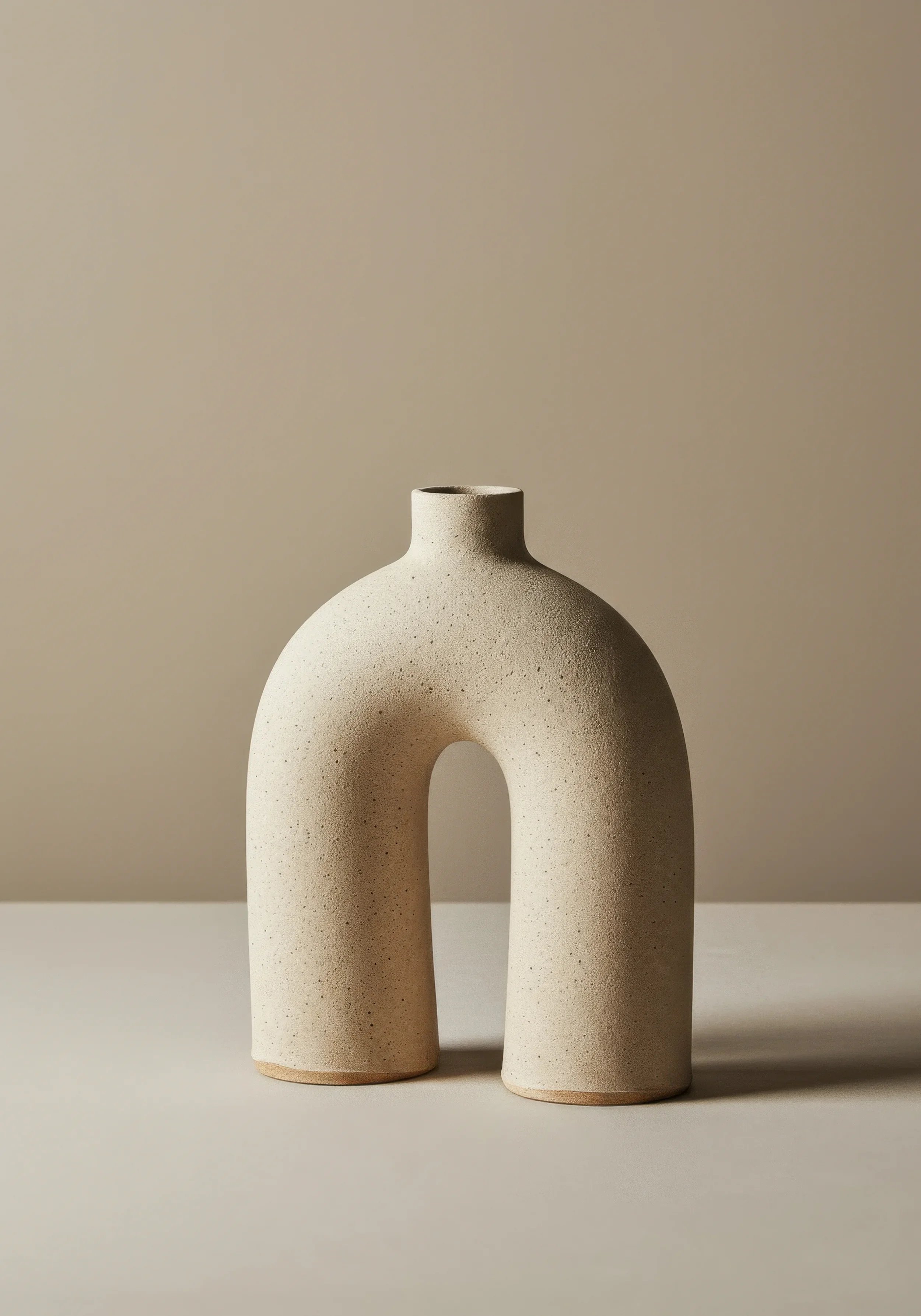
Crafted With Care
Thoughtful Finishes
Made for Everyday UseHave Questions?
We'll review your message and get back to you within 48 hours.